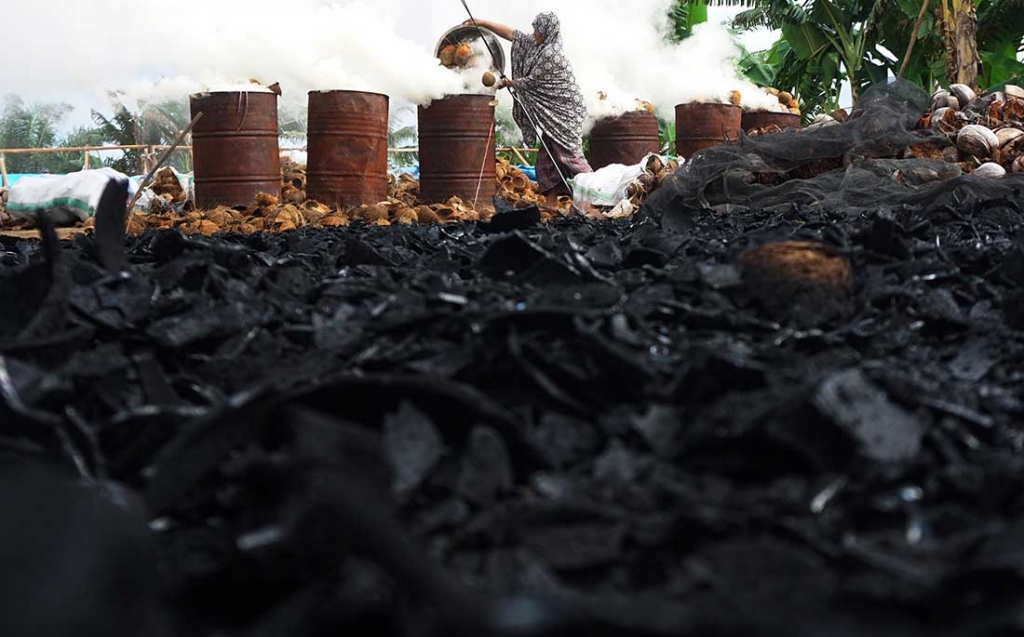
Sustainable charcoal briquette business is gaining attention as the demand for cleaner, affordable and more sustainable energy sources continues to grow. Among the most effective solutions is the development of Sustainable Charcoal Production Methods using agro-waste.
These innovative methods not only help reduce environmental degradation caused by traditional wood-based charcoal but also transform agricultural residues—such as coconut shells, rice husks and corn cobs—into valuable, eco-friendly fuel alternatives that support both energy access and rural livelihoods. https://jacoid.com/sustainable-charcoal-briquette-business/
What is Agro-Waste?
Agro-waste refers to the leftover materials generated from various agricultural activities and post-harvest processes. This includes commonly available items such as rice husks, coconut shells, corn cobs, sugarcane bagasse, palm kernel shells and sawdust.
These materials are often abundant in rural and farming communities. Instead of being burned in open fields or discarded as waste, agro-waste can be efficiently converted into biochar (charcoal) through clean, sustainable and environmentally friendly production methods. This process not only improves waste handling but also delivers a sustainable energy source.
Why Use Agro-Waste for Charcoal Production?
Using agro-waste for charcoal production offers several advantages:
-
Helps prevent forest loss: Conventional charcoal making usually requires tree harvesting. By using agricultural residues, we preserve forests and biodiversity.
-
Minimizes Pollution: Agro-waste is typically burned or left to rot, contributing to air and methane emissions. Charcoal production gives it a second life while reducing carbon output.
-
Supports Circular Economy: Turning waste into a valuable product promotes sustainability and resource efficiency.
Sustainable Charcoal Production Techniques
There are several eco-friendly ways to turn agro-waste into charcoal efficiently. These methods aim to reduce emissions and improve fuel quality. Some of the most effective techniques include:
1. Carbonization with Improved Kilns
One common sustainable charcoal production method is using improved kilns like the retort kiln or TLUD stoves. These technologies convert agro-waste into charcoal more cleanly and efficiently by trapping and reusing heat and gases. This reduces air pollution and increases charcoal yield, making it more environmentally friendly than traditional kilns.
2. Briquetting Agro-Waste
Briquetting is a simple and effective sustainable charcoal production technique. It involves grinding agro-waste into fine particles, mixing it with a natural binder (such as cassava starch), and compressing it into briquettes. These charcoal briquettes burn longer, produce less smoke and make better use of agricultural residues.
3. Low-Emission Pyrolysis
Low-emission pyrolysis is a cleaner sustainable charcoal production method that heats agro-waste without oxygen. This process creates biochar, syngas and bio-oil, all of which can be used as renewable energy. It also minimizes emissions and offers a high-quality alternative to traditional charcoal.
Environmental and Economic Benefits
-
Eco-Friendly Energy: Agro-waste charcoal burns with less smoke and fewer emissions, making it healthier for household use.
-
Low-Cost Raw Material: Since agro-waste is abundantly available and cheap, production costs are significantly reduced.
-
Job Creation: Promotes rural employment through small-scale production and local distribution.
Challenges and Future Prospects
Despite its advantages, sustainable charcoal production using agro-waste still faces challenges such as lack of awareness, limited access to technology and policy gaps. However with increasing support from governments, NGOs and green energy investors, these methods are gaining momentum.
Conclusion
Sustainable charcoal production methods using agro-waste represent a critical shift toward renewable energy and responsible waste management. By converting agricultural residues into clean-burning fuel, we address environmental concerns, reduce dependency on wood-based charcoal and create economic opportunities — all while supporting a more sustainable future. For more information, visit https://jacoid.com/.