Low Ash Charcoal Briquettes for Smoking Performance
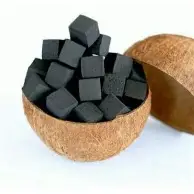
Low and slow barbecue requires consistent heat over extended cooking periods. Fuel quality directly affects airflow stability and temperature control. Low ash charcoal briquettes help maintain cleaner combustion inside smokers.
Reduced residue prevents airflow blockage during long smoking sessions. Professional buyers increasingly prioritize clean burning fuel for export markets.
Why Low Ash Matters in Low and Slow Cooking
Ash forms as a natural byproduct of charcoal combustion. Excessive ash accumulation can restrict oxygen circulation inside smokers. Limited airflow may cause unstable temperature fluctuations. Stable oxygen supply supports controlled and steady heat output. Low residue fuel improves overall cooking efficiency and precision. Clean combustion also enhances smoke clarity and flavor quality. Higher fixed carbon content generally results in reduced ash production.
Materials Used in Low Ash Charcoal Briquettes
Coconut shell charcoal contains high fixed carbon levels. This material produces minimal impurities during combustion. Its dense structure supports longer burn duration. Hardwood based briquettes are commonly available in retail markets. They provide moderate ash levels depending on raw material quality. Compressed biomass briquettes vary in density and residue output. Engineered production processes influence overall ash performance.
Material selection determines suitability for extended smoking sessions.
Low Ash Charcoal Briquettes Key Selection Criteria
Fixed carbon percentage remains a primary evaluation factor. Higher carbon content supports cleaner and more efficient combustion. Moisture content affects ignition speed and burn stability. Lower moisture improves consistent heat generation during smoking. Density and compression influence burn duration and durability. Strong structure maintains shape under prolonged heat exposure. Smoke neutrality ensures authentic flavor without chemical interference. Charcoal free from additives enhances food safety standards.
Export Perspective What International Buyers Evaluate
International buyers assess uniform briquette sizing carefully. Consistent dimensions improve pallet stacking and storage efficiency. Moisture control protects products during long distance shipping. Durable packaging reduces damage throughout container transportation. Quality certifications strengthen credibility in competitive global markets. Private label manufacturing offers branding flexibility for distributors. Reliable production capacity supports recurring export orders.
Why Low Ash Briquettes Are Preferred for Smoking
Low ash briquettes maintain cleaner airflow inside smokers. Reduced residue minimizes maintenance during extended cooking sessions. Stable combustion supports consistent low temperature performance. Many professionals compare performance to best charcoal briquettes for low and slow. Restaurants prefer predictable fuel behavior during commercial operations. Backyard enthusiasts value uninterrupted smoking over several hours.
Premium barbecue markets increasingly demand cleaner burning briquettes.
Business Opportunity in Low Ash Charcoal Market
Global barbecue culture continues expanding across various regions. Consumers increasingly seek clean burning and efficient fuel options. Retail and horeca sectors require dependable charcoal suppliers. Premium low ash briquettes offer attractive margins for exporters. Long term partnerships create sustainable international growth opportunities.
Conclusion
Selecting low ash charcoal briquettes improves airflow and heat stability significantly. Clean combustion ensures better performance for extended smoking sessions. Export grade specifications provide competitive advantages in global markets. Strategic sourcing strengthens reliability and long term profitability. Trusted partners like kompasbisnis support sustainable growth worldwide.







Post Comment