Shisha Charcoal Shipping Tracking Guide for Importers
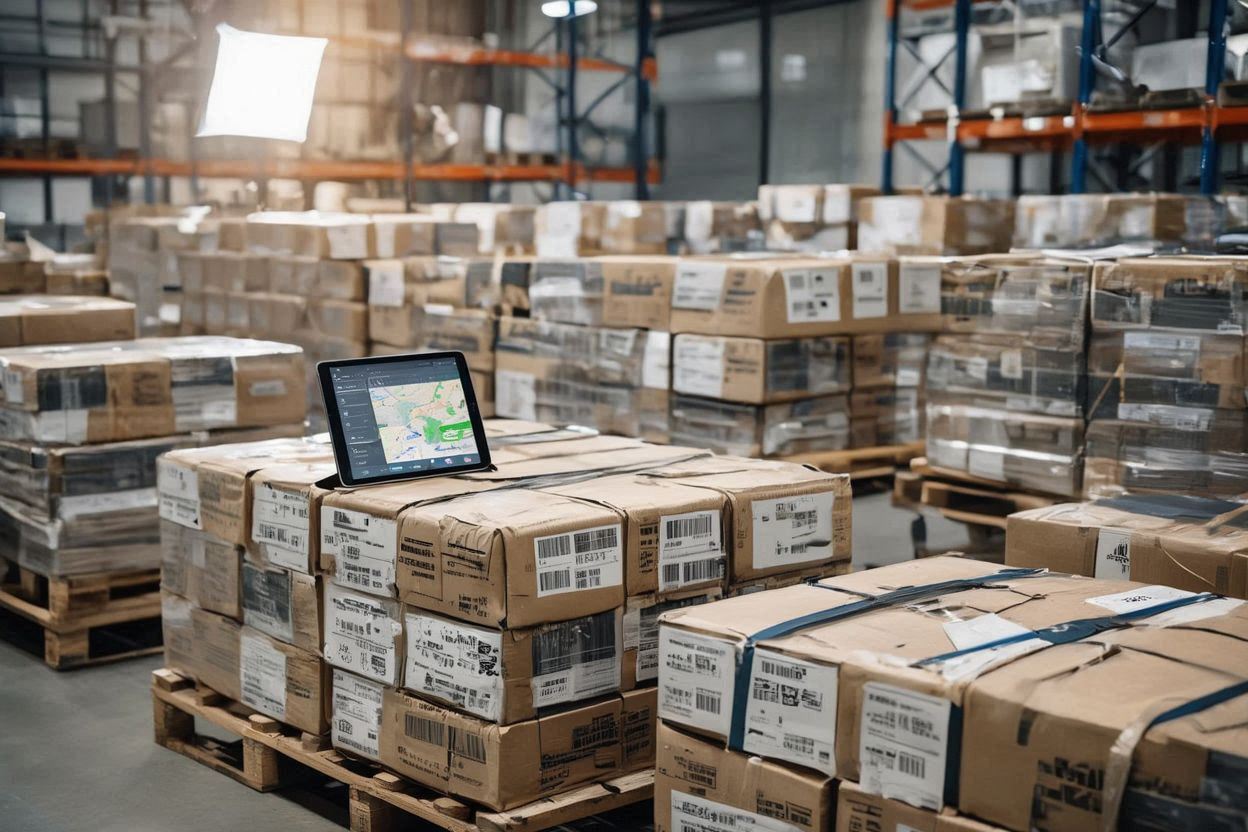
A shisha charcoal shipping tracking guide is essential for importers, distributors, and hookah lounge owners who depend on stable charcoal deliveries. In international trade, shipments often travel long distances across multiple ports and logistics checkpoints before reaching the final destination. Because of this complex process, businesses must understand how to track their cargo properly.
By applying effective shipment tracking methods, companies can monitor container movement, predict arrival times, and avoid unexpected delays. Reliable tracking systems also help businesses manage inventory planning and coordinate warehouse operations more efficiently.
For businesses that want a detailed explanation about shipment monitoring methods, the article how to track your shisha charcoal shipment effectively provides a comprehensive overview of logistics tracking strategies used in the global charcoal industry.
Understanding the Global Charcoal Shipping Process
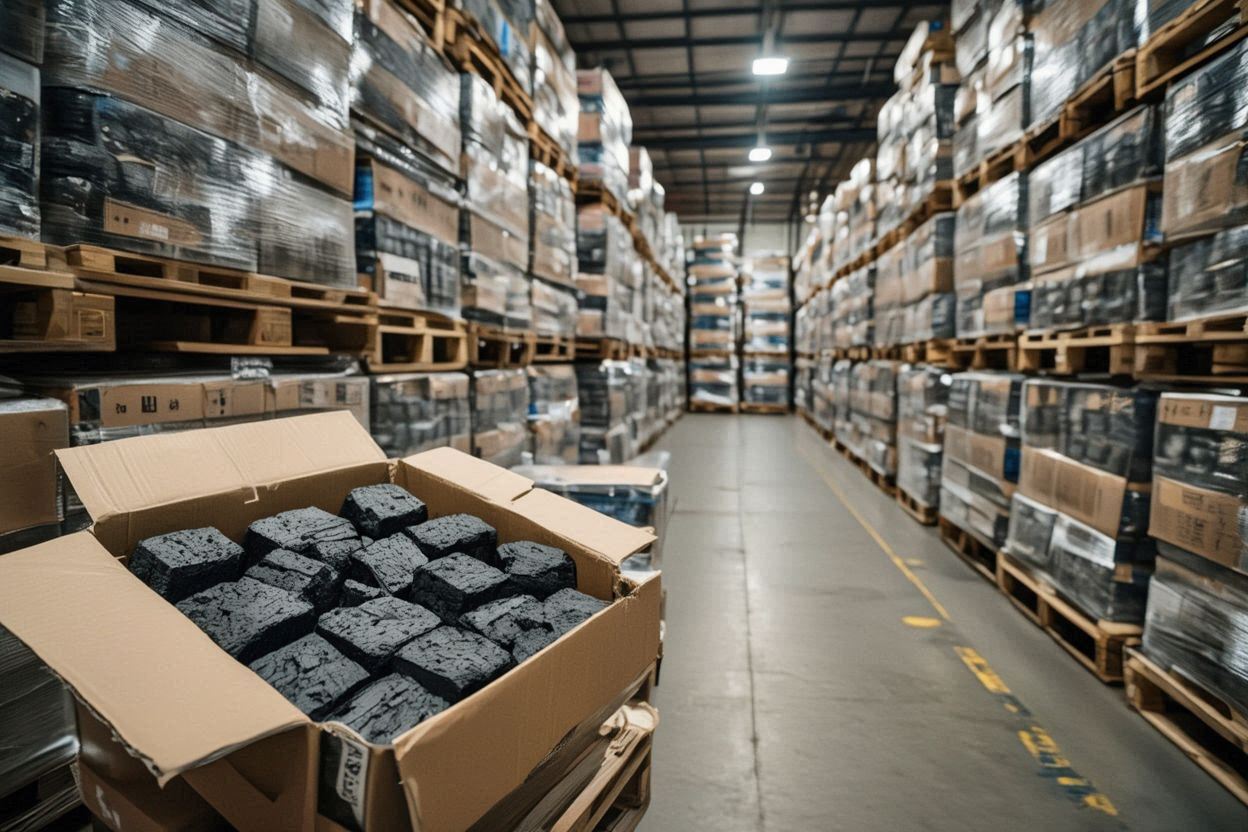
Before following this shisha charcoal shipping tracking guide, companies must understand how charcoal shipments move through international logistics networks. The process typically begins at the manufacturing facility where coconut shell charcoal briquettes are produced, packed, and prepared for export.
Once production is complete, suppliers load the cartons into shipping containers and transport them to export ports. At this stage, logistics teams verify export documents such as packing lists, invoices, and bills of lading before loading the container onto the vessel.
After the vessel departs from the export port, the cargo enters international shipping routes. During this phase, importers must monitor the container’s progress to ensure the shipment remains on schedule.
Using Container Numbers for Tracking
The most common method described in any shisha charcoal shipping tracking guide is container number tracking. Every shipping container has a unique identification number that allows importers to follow its journey across global shipping routes.
Importers can enter this container number into online tracking systems provided by shipping companies. These systems show vessel schedules, transit ports, and estimated arrival dates. Because this information updates regularly, companies can monitor the shipment in real time.
Tracking containers also allows businesses to prepare warehouse operations in advance. When the estimated arrival date becomes clear, warehouse teams can schedule unloading activities and distribution planning.
The Role of Bills of Lading in Shipment Tracking
Another important element in a shisha charcoal shipping tracking guide is the bill of lading. This document acts as an official record of the cargo and confirms that the shipping line has received the goods for transportation.
The bill of lading contains important shipment information, including the exporter’s details, container numbers, cargo description, and destination port. Because of these details, importers can use the bill of lading number to track shipment status through logistics platforms.
Maintaining accurate documentation also helps customs authorities process import clearance smoothly when the shipment arrives at the destination port.
Using Digital Logistics Platforms
Modern supply chains increasingly rely on digital logistics platforms that combine shipment tracking, documentation management, and communication tools. These systems allow exporters, freight forwarders, and importers to share shipment data quickly.
With these platforms, businesses gain better visibility across their logistics operations. Companies can analyze shipping timelines, monitor container movement, and maintain accurate delivery planning.
Many charcoal industry professionals also use educational resources and logistics insights from indobriquettescharcoal.com to better understand international charcoal supply chains and export procedures.
Conclusion
This shisha charcoal shipping tracking guide highlights the importance of monitoring international shipments carefully. By understanding container tracking systems, bill of lading documentation, and ocean freight monitoring methods, businesses can maintain better control over their supply chain.
Effective shipment tracking not only improves logistics efficiency but also helps importers prevent delays and maintain consistent charcoal supply for their customers.













Post Comment