Charcoal Briquettes vs Lump Charcoal Key Differences Explained
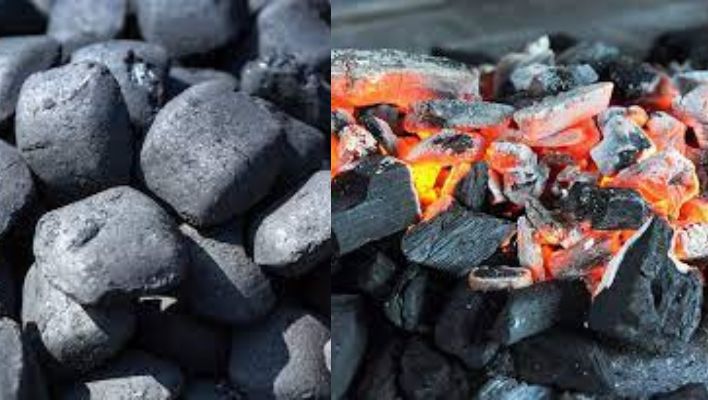
Charcoal briquettes vs lump charcoal remains a frequent discussion within professional and residential barbecue industries worldwide. Buyers carefully evaluate combustion behavior, heat stability, and flavor characteristics before choosing long term suppliers. Understanding these differences helps importers align purchasing strategies with operational requirements and target markets. Each fuel type offers distinct advantages depending on cooking style and performance expectations.
Charcoal Briquettes vs Lump Charcoal Heat Performance
Charcoal briquettes vs lump charcoal demonstrate clear differences in temperature consistency and overall burn duration. Briquettes typically provide steady and predictable heat output during extended grilling sessions. Lump charcoal ignites quickly and generates high initial temperatures suitable for searing applications. However, irregular shapes may produce fluctuating heat levels under continuous commercial use. Professional kitchens often prioritize uniform thermal distribution for standardized food preparation processes.
Combustion Stability Comparison
Briquettes feature compressed density that supports controlled airflow and balanced combustion rates. Lump charcoal contains varied shapes which influence oxygen circulation and heat intensity patterns. Consistent structure allows briquettes to maintain longer burning cycles without frequent adjustments. These characteristics contribute to operational efficiency within demanding hospitality environments.
Cost Efficiency and Operational Value
Cost efficiency plays a significant role when evaluating charcoal briquettes vs charcoal for commercial applications.
Briquettes offer predictable consumption rates that simplify inventory management and budget planning strategies.
Lump charcoal may require more frequent replenishment during high volume cooking operations. Stable burn duration reduces interruptions and supports smoother kitchen workflow management. Reliable fuel performance ultimately strengthens profitability within competitive food service sectors.
Flavor Characteristics and Market Preferences
Both fuel types influence smoke intensity and overall flavor authenticity during grilling sessions. Natural lump varieties often deliver a stronger wood aroma during early combustion stages. Compressed alternatives produce controlled smoke output that supports consistent taste profiles in restaurants. Market preference shifts according to culinary positioning and evolving customer expectations. Recognizing these distinctions helps exporters target specific regional demand trends more effectively.
Export Potential and Global Demand
Charcoal briquettes vs lump charcoal both present promising opportunities across international barbecue markets.
Importers prioritize consistent supply continuity and compliance with export documentation standards. Scalable production capacity enhances supplier credibility within competitive global trade networks. Reliable packaging solutions protect structural integrity during long distance shipping operations. Clear differentiation strategies improve brand positioning across diverse distribution channels.
Strategic Positioning for International Buyers
Exporters must align product selection with target customer segments and cooking applications. Restaurants often prioritize consistency while specialty grill enthusiasts value natural variations. Understanding buyer behavior strengthens long term distributor relationships and repeat orders. Strategic marketing initiatives increase visibility within expanding global barbecue industries.
Conclusion
Charcoal briquettes vs lump charcoal comparisons highlight important differences in stability, efficiency, and flavor control. Selecting the appropriate fuel depends on operational priorities and regional market preferences. Export oriented businesses can expand international reach through strategic digital platforms like usahakeras.












Post Comment